Housing Market Softness?

Today’s Read Time: 7 minutes
This week, we’re talkin’ home price deceleration. It’s happening. And it’s a good thing.
Let’s get into it.
Today’s Interest Rate: 6.78%
(👇 0.05% from this time last week, 30-yr mortgage)
The Weekly 3 in News:
Has the Federal Reserve actually been successful? Treasury Secretary Bessent questions this and calls for an examination of the institution itself (CNBC).
The campaign against Jerome Powell continues. Rep. Luna has referred Fed Chair Powell for criminal charges over perjury claims. Luna alleges Powell falsely downplayed the costs of a renovation to the Federal Reserve building. Powell denies the claims and has launched a probe into the renovation costs. The President maintains it’s “highly unlikely” he would fire him before his term ends 5/2026. (Fox).
Members of the Federal Reserve start calling for interest rate cuts before it’s too late. “We should not wait until the labor market deteriorates before we cut the policy rate… [the Fed should] ‘look through’ [one-time price increases from tariffs] (WSJ).”
Housing Market Softness?
Plenty of pundits, housing analysts, and realtors are saying we are seeing some “softness” in the housing market.
I must say, I dislike that word, “softness.” It’s such a cop out term, and doesn’t really describe anything, especially the nuance of how home prices trend up, down and all around. And it reminds me of that scene in The Big Short where the Florida realtor has no idea what’s happening and brushes off the impending market crash saying, “the market’s in an itsy-bitsy little gully right now...”
So are we in a “gully,” circa 2008?
No. Stop it. Not even close.
The housing market is remarkably strong, and price fluctuation is a good thing. It’s normal. And no, I’m not trying to Obi-Wan Kenobi hoodwink you like a couple of dullard stormtroopers (God, what a great scene).
The fundamentals of the US economy are, in fact, quite strong (keep reading).

These are not the droids you’re looking for…
Prices don’t always go up, and if they did, we wouldn’t have a market.
So, this is not “softness,” it’s just the cycle. And the housing market, like all markets, cycles. Prices fluctuate. The significance of price fluctuation is indicative of:
Where we are in that cycle,
how prolonged and
how severe it will be.
Remember, home prices went absolutely bonkers from 2020-2022. We had 40% back-to-back price increases from 2020-2022, doubling prices. That is more than 5x faster than the typical cycle.
Wild and not sustainable and driven by low interest rates.
Since then, rates have remained high, so….price increases are muted. And it took a while for the demand in the system to shake out.
Where are we in the Cycle?
Hard to tell, and usually we know only with the benefit of hindsight. Hell, this could be the bottom of a shallow cycle. And if the Fed starts to lower rates in September, it likely will be, in my humble opinion.
For context, in the end of 2023, the Redfin CEO said real estate activity was 'dead as a doornail.' Well, it kept on chuggin’.
But he wasn’t totally off base. He saw the data and was warning about demand waning because of sticky interest rates, saying “…people are just really [mortgage] rate sensitive.”
On that point, he was very much correct. Albeit a little early.
Where are home prices now?
Most major housing price indexes are still seeing positive growth YoY. We are pretty much flat now.
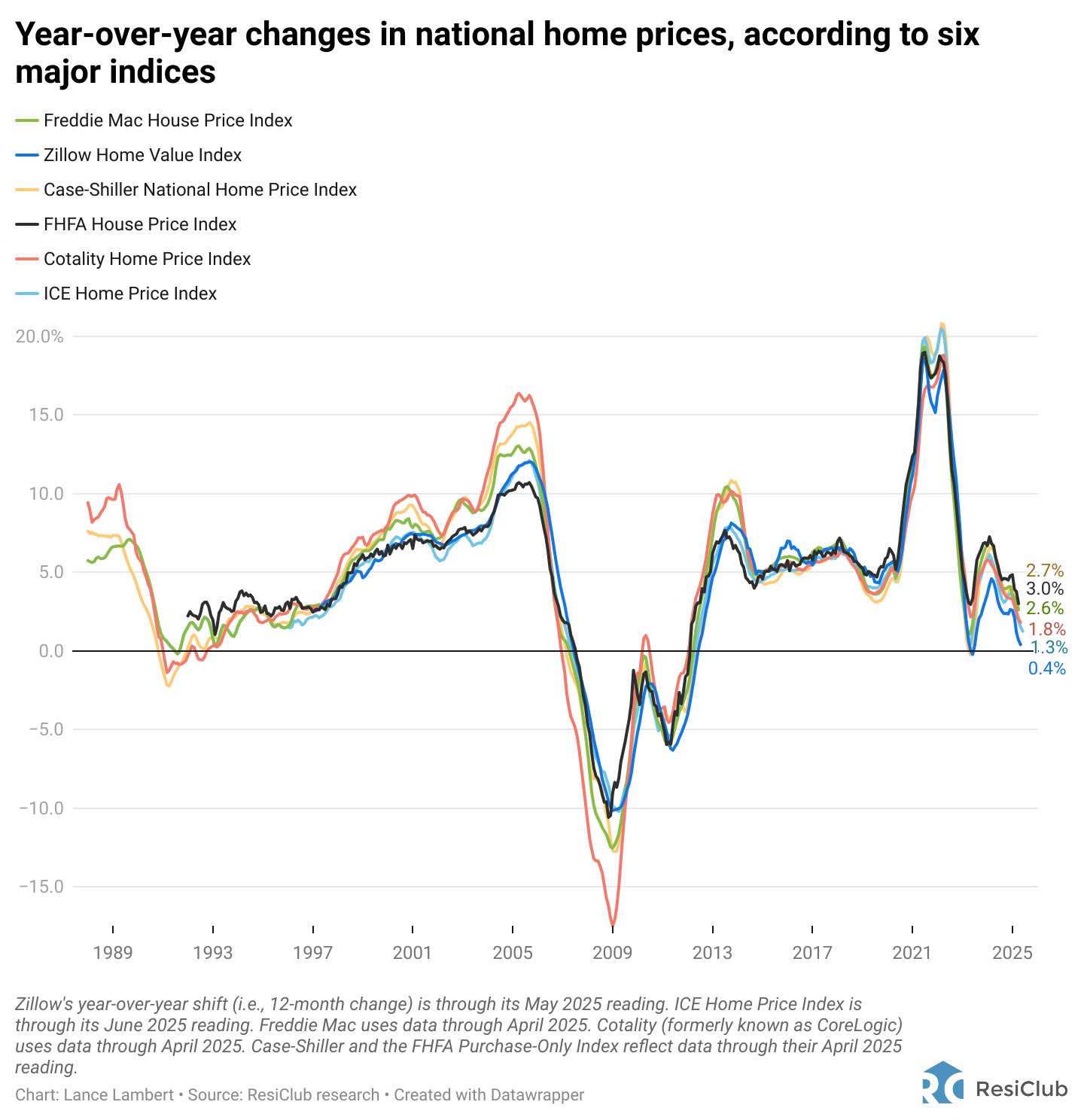
Depending on the city, of course. Some up, some down.
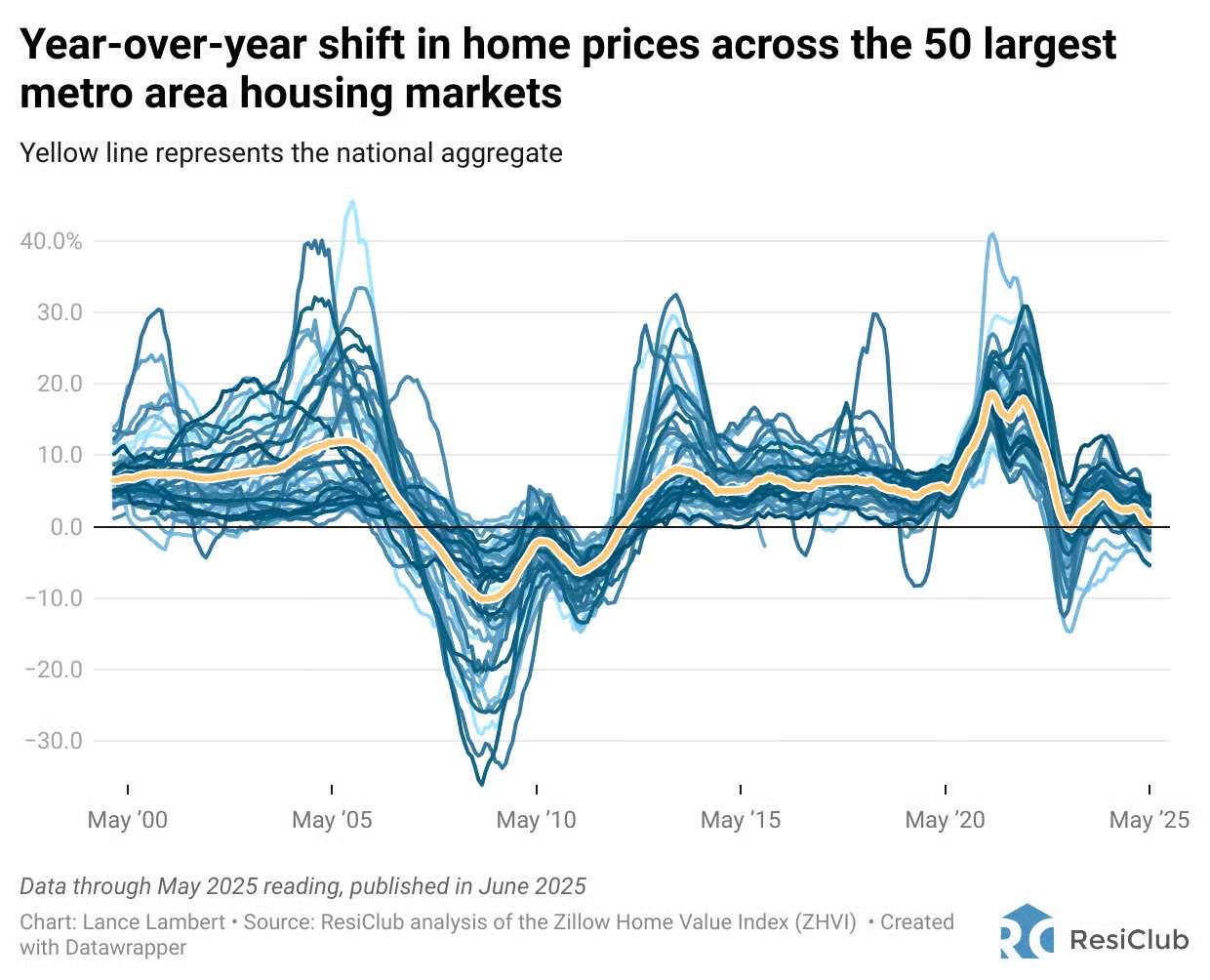
Again, it is the rate of increase that is significantly slower today (above), not overall price levels (below).

So, if you are waiting for home prices to crash, grab your fishing pole and pitch your tent. It’s going to be a long wait.
What we have is an imbalance of buyers and sellers, as interest rates continue to take their pound of flesh. According to Redfin, there are 500,000 more sellers than buyers active in the market. We have ~1.9 million home sellers and ~1.5 million homebuyers. Now, I don’t like being bit. But as price increases cycle down, historically it is usually a good time to buy, if you can afford it and can stomach the rate.
Moreover, it’s not that we have more and more listings by sellers, it's that homes listed on the market are sitting and not selling as quickly.
In fact, new home listings are way down (HousingWire). Still too many folks with 4% mortgages not wanting to sell and buy a place with a 7% rate.
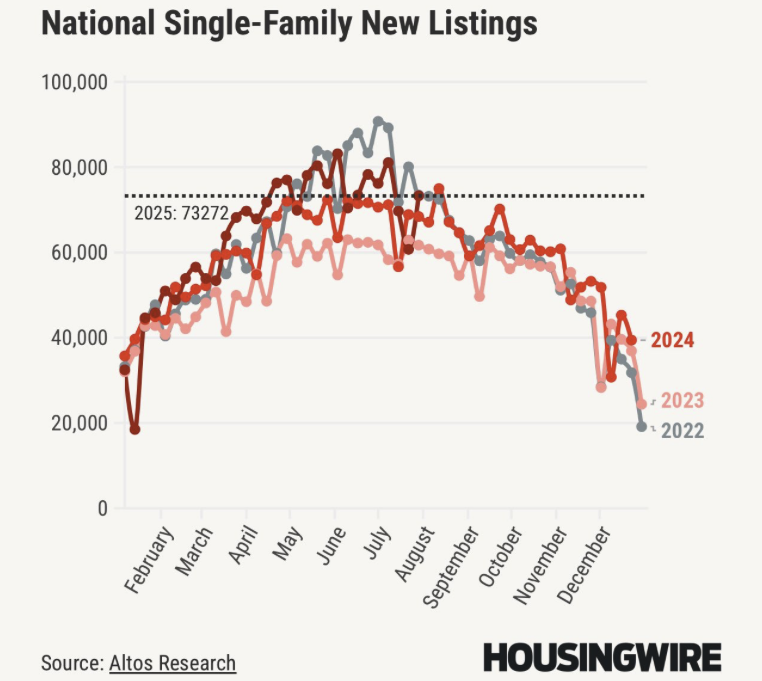
The drag from interest rates continues to depress affordability/demand.
Looking Forward in the Cycle
As investors, what we should be doing is looking forward in the cycle, 6-12 months. Two data points I like to pay attention to are housing unit completions and new building permit applications, which of course also have their own cycle. This signals future housing supply, affecting both rent and home prices. Landlords should take heed.
It took a while to shake out, but housing completions are finally, and now quickly, coming off the low-interest-rate sugar high, closing in on 2019 levels.
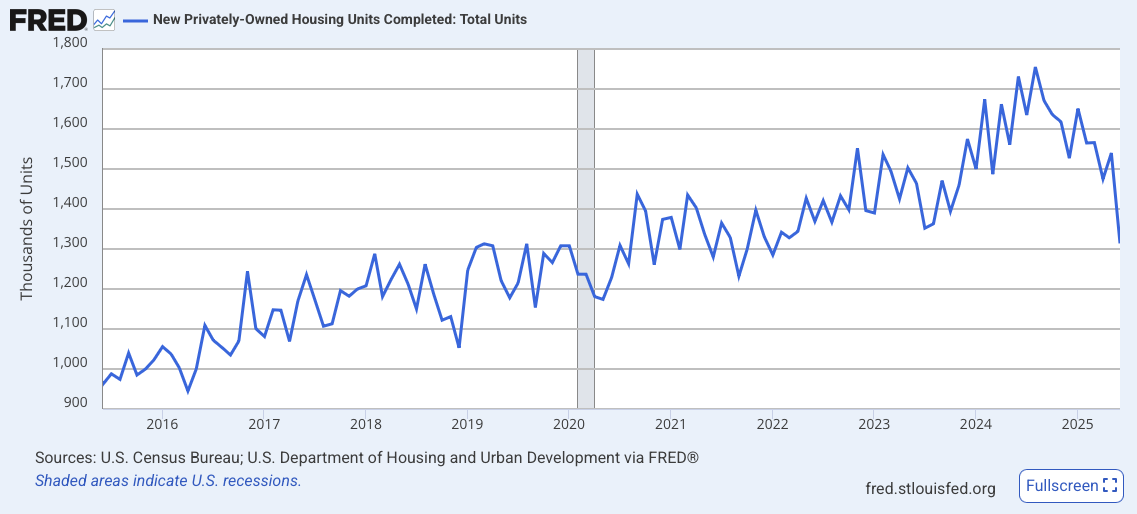
And with permit applications to build falling...
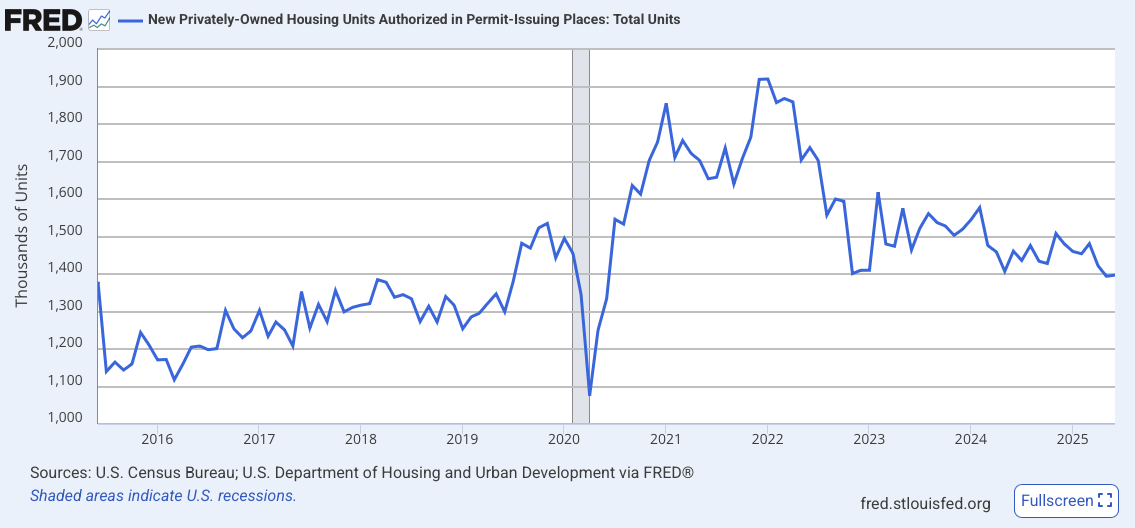
…new supply will continue to fall down the elevator.
Builders are telling us that there aren’t enough buyers who can afford the mortgage at these rates, which is why today we are seeing the supply of listings build up on the market.
Why is this important?
Future supply will be depressed, and there will be a multi-year cycle.
Why?
Because it takes a while to build a house, and even longer to build an apartment building, starting another up-cycle in prices as supply will be unable to meet demand.
Good for investors buying in 2025.
When? Well, it all depends on how long we are stuck in interest rate purgatory.
Could be 6-18 months out.
I will be watching the September Fed meeting, and the reaction by the bond market closely.
The Force is Strong with Homeowners
Folks’ finances are strong. Again, activity is down because of rates. Real estate is the most sensitive sector to interest rates because today ~67% of buyers purchase their home with a loan. When rates were low, it was ~74%.
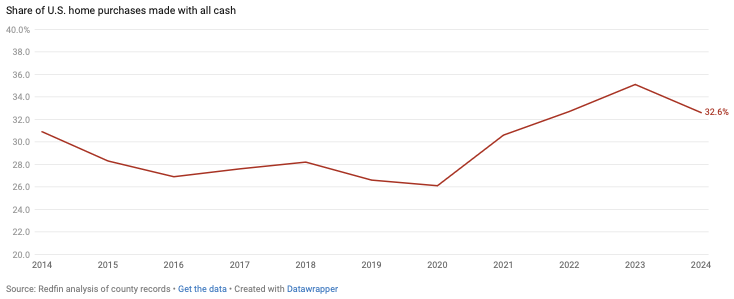
In my 42 years of life, we’ve had 1 home crash, and it was because of the systemic financial problem with housing finance and sleepy regulators. We don’t have that today and households are in great financial shape.
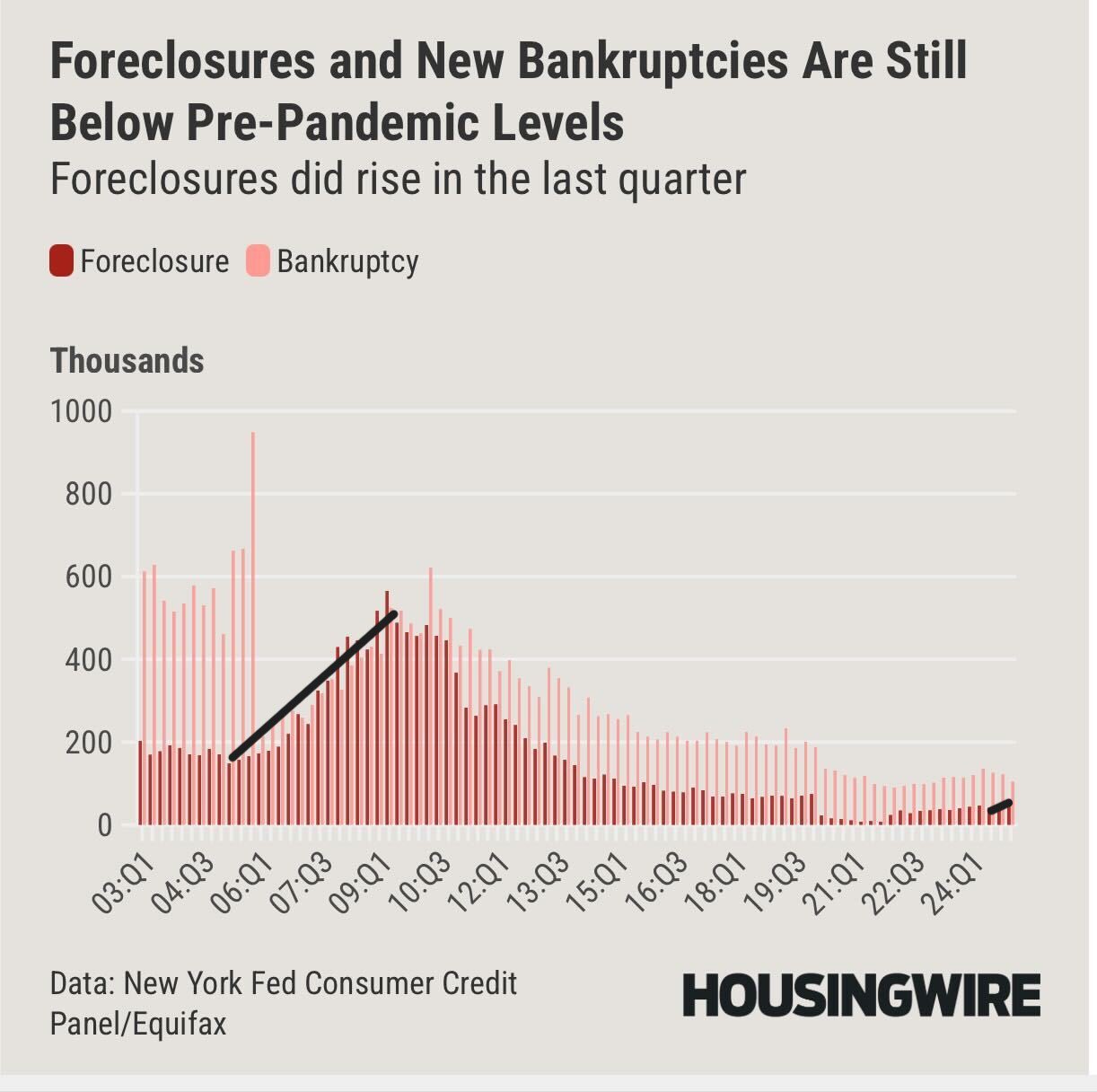
Remember, when home prices increase, that is real homeowner wealth growth, and just like cash in your bank account, except it’s in your property’s piggy bank.
Today, homeowners are sitting on $34 trillion in home equity value.

Just look at that ramp-up post-GFC, then post-COVID.
Want even more piggy bank money? Buy a place and add value.
Do this:
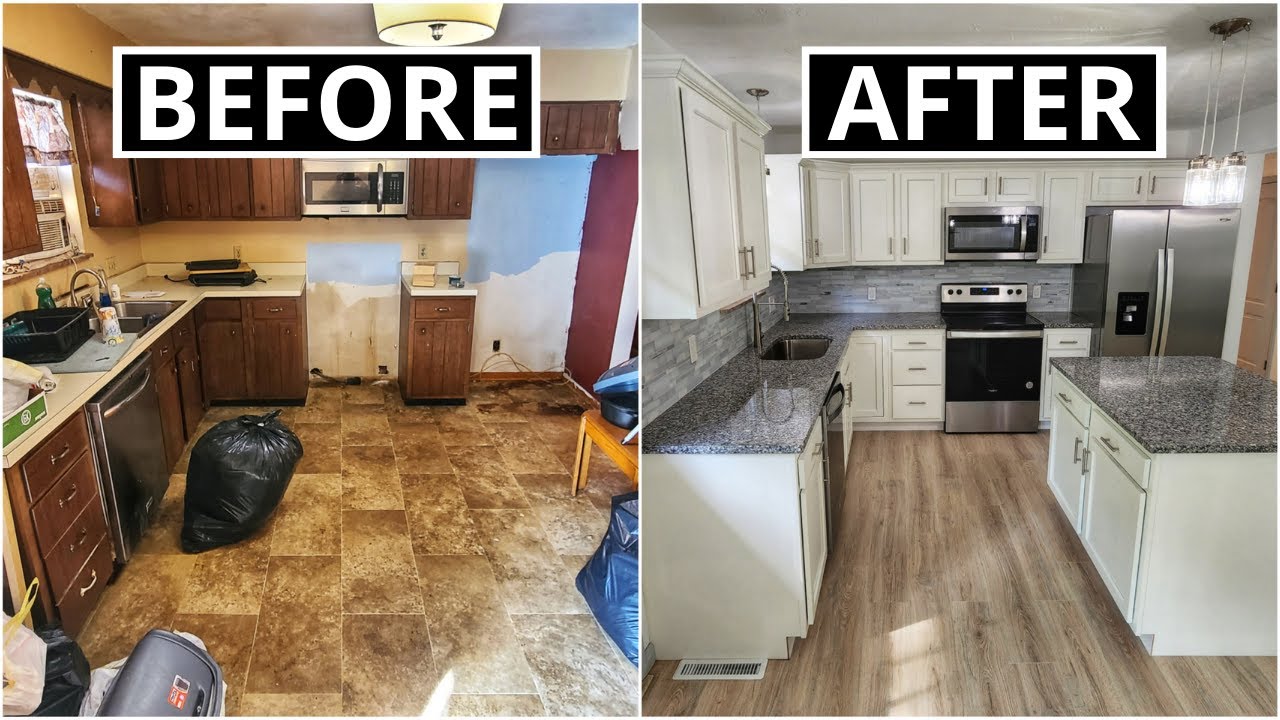
Every dollar you put into a renovation should give you at least a 50% return in added property value. Want help calculating this? Here’s a great book.
Do you really need a “mentor” when it comes to real estate investing?
Probably not.
The single most important part of real estate is finding a deal. If you can do that, everything else will follow.
BUT if you think you must get some help, for the love of god do not buy an expensive course, “coach,” or “mentor.”
Get professional advice from someone who actually owns, manages, and brokers real estate.
You can consult with me, The Skeptical Investor.
Get clarity on how to grow your business. Let’s run the numbers together and chart your path of success.
No BS. No fluff. No Gurus. Only results. (The swift kick in the pants is free 😂).
Just $250 bucks for a 30-min call. No lame subscriptions.
Call me now. I guarantee you will be satisfied, or your money back.
I’m not your guru, I’m your guardian. I’ll keep you out of trouble and fill your jet with fuel so you can take off on your own.
Higher for Even Longer
Lastly, interest rates. And I’m done harping on them this week, I promise. I'll just show you this chart by Lance Lambert (great follow).
We are now in year 3 of interest rates being virtually range-bound between 6.5%-7.5%.
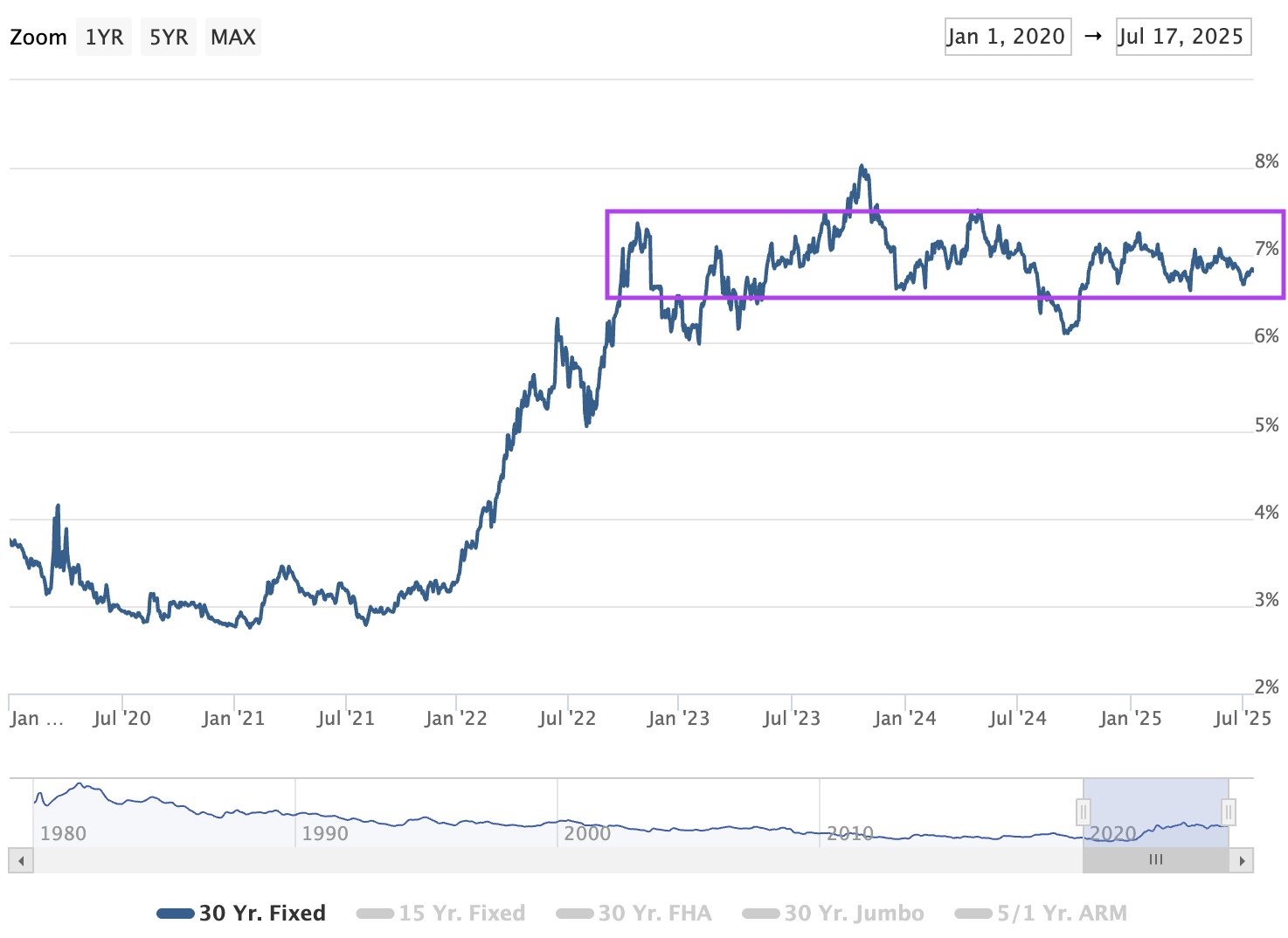
Just crazy, this can’t last much longer. And won’t. The President has made that clear for his next Fed Chair pick.

I’m still thinking September for a 0.25% rate cut. But this could change. So don’t stop reading :).
My Skeptical Take:
For us investors with the right mentality, price deceleration is a good thing.
It may feel painful, but no pain, no gain also applies here.
The truth is, high interest rates coupled with 3 years of accelerated prices is starting to bring copious opportunities for buyers of real estate in 2025, as many folks continue to be priced out of the market.
I am full-on catfish bottom-feeding right now. More and more deals are coming to me, mainly properties that have been sitting on the market, getting stale like the sourdough bread in my pantry (as we saw in the data above).
And in commercial/multifamily, deals are really starting to come online.
This is because most commercial loans are usually on a 3, 5, and to a lesser degree a 10-year term. This means, starting last year and continuing through next year, most all properties will have to be refinanced. And that refinancing will be at double the rate of when they got the loan, 3-5 years ago. And right now, banks are kind of pretending they don’t have all this bad paper on their books. They’re extending loans at the rate that they were given, but they can’t do that forever cause they lose money. So if rates don’t go down, commercial real estate has a real big problem.
This is happening at the same time builders have pulled way back, as we saw in the data above. This is especially pronounced in apartment builders because guess what? They started building those buildings a few years ago, and rates were 4% and today their rates are double, so the deals just don’t pencil out. We just crossed the peak of new apartment buildings coming on the market, and they are now in freefall because the number of completions far outnumbers the number of new starts. Vulture buyers with money are circling, looking for deals.
Hell, I’m one of them. So I’m pressing the risk button in a market that is “soft”. After all, you won’t improve your situation without taking more risk.
Get after it, y’all.
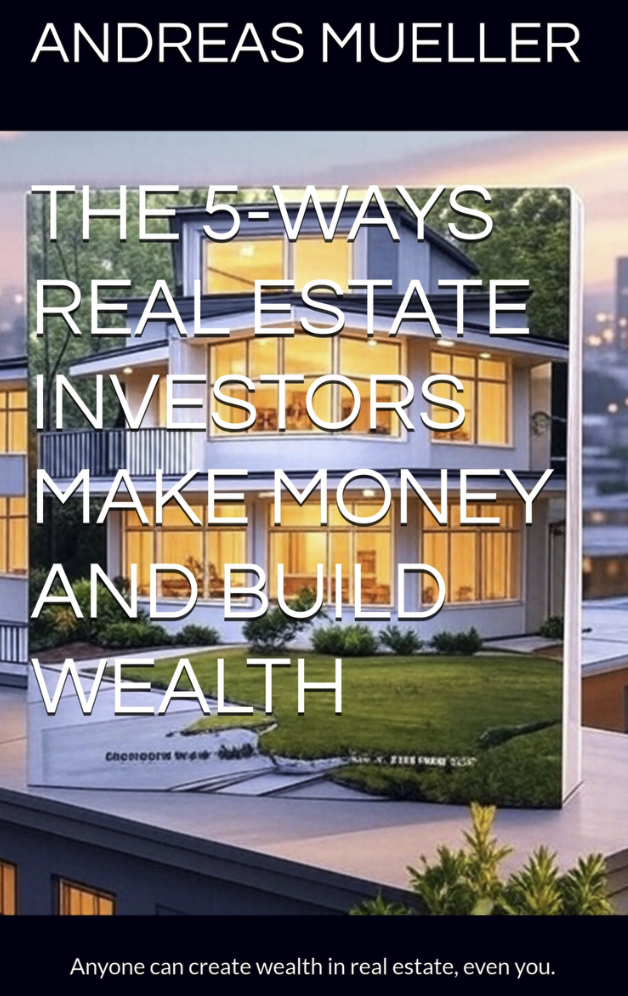
Special Announcement: I’ve published a new book!
And you can get it now, it’s live on Amazon (so share with your friends).
It’s a concise guide for aspiring and seasoned real estate investors. In it, I will walk you through the five primary strategies investors generate wealth through real estate. My book also introduces a few other lesser-known real estate strategies for beginners and includes practical insights, personal anecdotes, and, of course, a skeptical perspective on common real estate myths.
I do ask one thing in return: leave me a review on Amazon (it helps the algorithm do its thing).
Thank you. Thank you. Thank you…all you awesome Skeptical Investor readers out there. You made this happen.
Until next time. Stay Curious. Stay Skeptical.
Herzliche Grüße,
P.S. Want to start owning real estate so you can actually retire? Don’t know where to start? Is a friend or family member in need of a top-performing team of real estate agents? Give us a call! We got you.